Construction and demolition (C&D) debris is one of the largest solid-waste streams the U.S. tracks, and the EPA reports well over 600 million tons of C&D material generated annually, most of it from demolition. A…
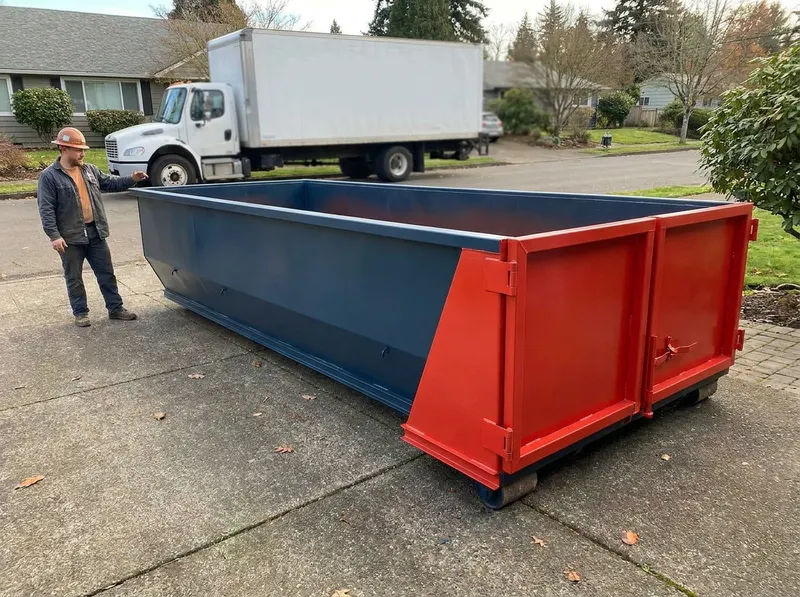
Construction and demolition (C&D) debris is one of the largest solid-waste streams the U.S. tracks, and the EPA reports well over 600 million tons of C&D material generated annually, most of it from demolition. A dedicated construction dumpster keeps framing offcuts, torn-out drywall, pulled flooring, and roofing debris off the ground and in one container until pickup. A dumpster rental is not junk removal, the crew drops and hauls the bin, but you or your trades load it, which is why contractors on a job site usually prefer it over hourly haul-away.
Step 1: match the size to the debris volume. A 10-yard holds roughly 4 pickup-truck loads and fits a single-room gut such as a Hawthorne bathroom or kitchen tear-out. A 15-yard and 20-yard suit a whole-floor remodel or a Laurelhurst basement finish. A 30-yard handles a roof tear-off or a larger Irvington addition, and the 40-yard covers full-house demo and framing debris from new construction. The trade-off is driveway footprint versus how many trips the bin saves: a bigger box takes more room but prevents a mid-project swap. Step 2: confirm placement. A 40-yard needs about 22 feet of clear length, so on narrow St. Johns or Sellwood-Moreland lots the bin may sit in the street, which can require a City of Portland right-of-way permit. Step 3: load low and even, mixed heavy material like concrete and brick fills a bin by weight long before volume, so a 10-yard is often the right call for dense rubble even on a large job.
All pricing is flat and all-in: the number quoted includes delivery, pickup, and disposal, with no separate tonnage charge and no fuel surcharge, a $695 20-yard stays $695. That matters on C&D work because debris weight is unpredictable, and weight-based billing is where surprise fees hide. Heavy clean loads of concrete, asphalt, and masonry can often be recycled rather than landfilled, which is one reason a concrete-only bin is kept separate from mixed debris. Certain items never belong in a C&D box: household hazardous waste, wet paint, solvents, and pressurized tanks are banned, and asbestos-containing material must be handled under Oregon DEQ rules before any demolition begins. On occupied job sites, keeping walkways and the bin area clear supports OSHA construction housekeeping standards, and old treated lumber or wiring that counts as scrap can be checked against local recycling options first.
Top Shelf Dumpster Rental serves Portland neighborhoods including Montavilla, Woodstock, Alberta Arts District, Multnomah Village, and Hollywood, and across Multnomah County. For a first remodel, a whole-home improvement project tends to generate more debris than homeowners expect, so sizing up one step is common advice. Mattress and appliance disposal rules differ from standard C&D debris and can be confirmed against Portland's garbage and recycling guidance, while loads headed to a transfer facility follow Metro disposal procedures. To confirm size and drop window, call (503) 433-7112.
Every job gets a firm, written price after an on-site visit.
Tell us about your construction & c&d dumpster rental job in Portland and we'll send a clear, written quote, usually the same day.
 Top Shelf Dumpster Rental